


QUICK LINKS

Filtered water vs tap water: Better for hair and skin?
TL;DR:
- Filtered shower water offers tangible benefits for sensitive, colour-treated, or chemically processed hair and skin by reducing irritants like chlorine and mineral deposits. In most cases, tap water in Australia is safe and sufficient for routine use, but filtration improves comfort and prolongs colour. The effectiveness depends on your water chemistry and specific needs; selecting certified filters tailored to your water quality maximizes results.
Choosing between filtered and tap water for your hair and skin routine is genuinely confusing. Marketing claims are bold, beauty influencers contradict each other, and the science gets buried under product promotions. If you have sensitive skin, colour-treated hair, or you just want to get more from your routine, the quality of your shower water is worth understanding properly. This guide cuts through the noise and gives you clear, evidence-based answers about what filtered water actually does for your hair and skin, where tap water holds its own, and how to make the right call for your specific situation.
Table of Contents
- What drives the decision: Key criteria for beauty routines
- Filtered water: Main benefits for hair and skin
- Tap water: When is it enough for your routine?
- Side-by-side: Filtered water vs tap water for hair and skin
- How to choose the right filter for your beauty goals
- The truth most beauty blogs miss about shower water
- Where to find certified water filters for your beauty routine
- Frequently asked questions
Key Takeaways
| Point | Details |
|---|---|
| Filtered water reduces irritation | Switching to filtered water can make hair and skin feel better, especially for those with sensitivities. |
| Tap water is safe but may be harsh | Australian tap water is safe but can irritate hair and skin due to chlorine and minerals. |
| Filter certification matters | Always choose certified filters that match your local water’s disinfectant for best results. |
| Not all benefits are dramatic | Most users notice improved comfort, but don’t expect miraculous changes for every beauty concern. |
What drives the decision: Key criteria for beauty routines
Before comparing options, it helps to know which factors genuinely matter for hair and skin. Not every aspect of water quality will affect your routine in the same way, and understanding what to prioritise makes the decision much clearer.
The most relevant criteria for beauty-focused water choices include:
- Irritation risk: If you have sensitive, eczema-prone, or reactive skin, chemical disinfectants in water can trigger dryness, redness, and itching after showering.
- Chlorine and chloramine levels: Most Australian councils use either chlorine or the more persistent chloramine to disinfect tap water. Both can strip the skin’s natural moisture barrier and affect scalp comfort.
- Mineral hardness: Hard water contains elevated levels of calcium and magnesium. These minerals reduce lather, make rinse-off harder, and leave residue on hair and skin after showering.
- Sensation and odour: A noticeable chlorine smell or the feeling of film on your skin after showering are not safety concerns, but they affect how enjoyable and effective your routine is.
- Actual safety: Australian tap water meets strict safety standards. The question for most beauty-focused users is not about eliminating health risks. It is about improving comfort, manageability, and routine effectiveness.
The Australian Drinking Water Guidelines acknowledge that filtration can improve aesthetic drivers for skin and hair comfort and reduce irritants, depending on your water and filter type. That framing is important. It tells you the real conversation is about quality of life, not safety.
You can test your shower water at home with a basic kit to understand your actual chlorine and hardness levels before making any changes. Knowing your starting point takes the guesswork out of the decision entirely.
Pro Tip: Contact your local council or check their website for a recent water quality report. It will list chlorine residual levels and water hardness for your area, giving you a baseline before you invest in any filter.
Filtered water: Main benefits for hair and skin
Filtered shower water delivers the most consistent benefits for people who are already noticing problems with their skin or hair after washing. The improvements are real, though they are not universal or dramatic for everyone.
The key benefits backed by evidence include:
- Reduced chlorine and chloramine exposure: Both disinfectants are effective at keeping water safe but are known to strip the lipid barrier from skin and affect hair cuticle integrity after repeated exposure.
- Fewer mineral deposits: Hard water leaves calcium and magnesium residue on hair strands, making them feel rough and look dull. Filtering or softening reduces this build-up.
- Better colour retention: Chlorine oxidises colour molecules in treated hair. Less chlorine exposure after each wash means colour fades more slowly between salon visits.
- Improved moisture retention: Skin that is not repeatedly stripped by chemical disinfectants holds moisture more effectively, which matters if you are already using hydrating serums or moisturisers.
- Comfort for sensitive conditions: People managing eczema, psoriasis, or contact dermatitis often report that reducing chlorine exposure makes their post-shower routine noticeably more comfortable.
“Reducing disinfectant chemicals, especially chlorine and chloramine, usually brings the most practical benefit for showers and beauty routines.” AARP
Research and consumer reporting consistently show that improving shower water for hair through filtration leads to reduced irritation and dryness for skin, alongside softer, more manageable hair by reducing chlorine and mineral residue. These outcomes are not guaranteed for everyone, but they are well-supported for people whose tap water has elevated chlorine or hardness levels.
The gains are strongest in cities where chloramine (rather than standard chlorine) is the disinfectant of choice, because chloramine is harder to remove with basic shower head attachments. If you live in a chloramine-treated area and have been struggling with persistent dryness or scalp irritation, filtered showers for sensitive skin are worth serious consideration.
Pro Tip: If you colour your hair at home or in a salon, filtering your shower water is one of the simplest, lowest-effort ways to extend the life of your colour between treatments. Less chlorine contact means less oxidation on the hair shaft.
Tap water: When is it enough for your routine?
Tap water in Australia is among the most regulated and monitored in the world. For the majority of users, it presents no meaningful health risk and does an adequate job for most shower and grooming needs. Knowing this is important before deciding whether filtering is worth it for you.
Here is where tap water holds its own:
- Safety: Australian tap water consistently meets national health standards. There is no public health reason to filter shower water in most parts of the country.
- Routine suitability: If your skin is resilient and your hair is healthy and uncoloured, you may not notice a meaningful difference from filtered water.
- Cost: Tap water requires no investment in filter hardware, replacement cartridges, or installation. For people without noticeable water quality concerns, the status quo works.
- Consistent availability: Unlike filtered systems that require maintenance and cartridge replacement, tap water is always on and always consistent within regulated parameters.
“Tap water quality is regulated and generally safe. The beauty benefit from filtering is about reduced irritation, not eliminating health threats.” EatingWell
That said, tap water’s limitations become more apparent in areas with particularly hard water or higher chlorine residuals. If your water leaves scale deposits on your shower screen or you can smell chlorine during a hot shower, those are signs your water has characteristics that can affect your routine. Understanding tap vs shower water for skin effects helps clarify which situations genuinely call for a filter and which do not.
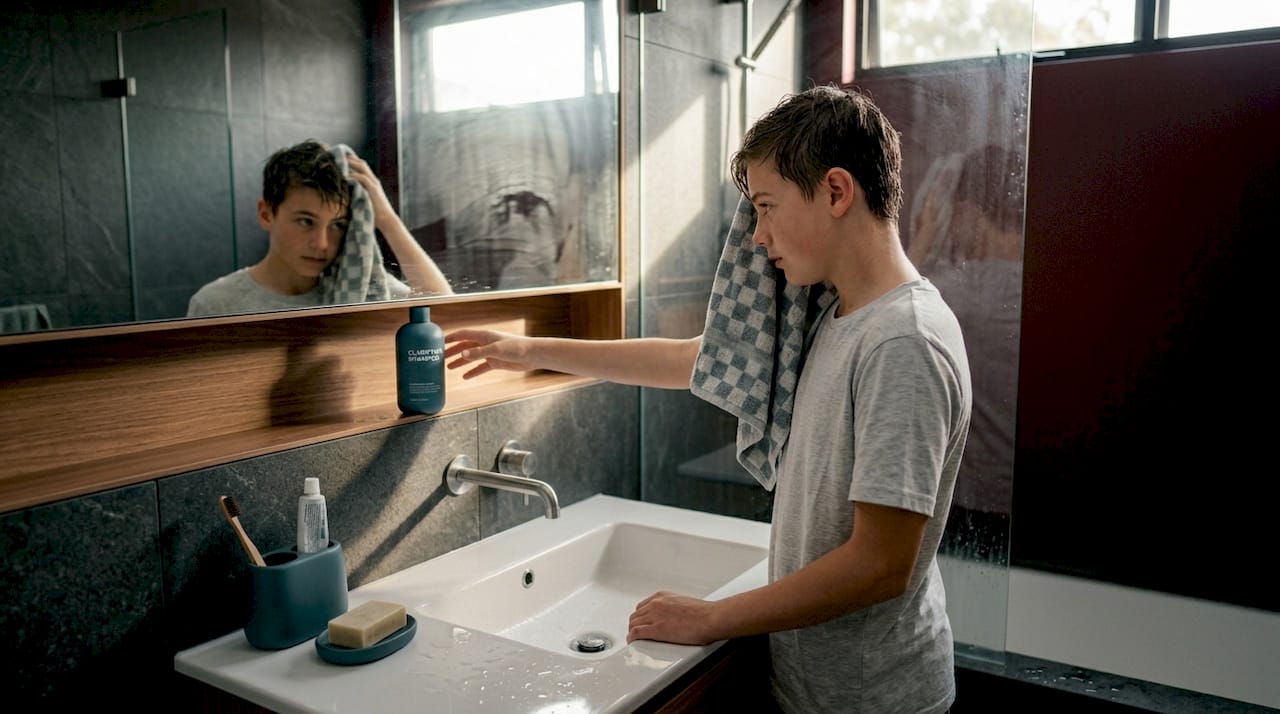
Side-by-side: Filtered water vs tap water for hair and skin
Here is a direct comparison of the two options across the criteria that matter most for beauty routines.
| Factor | Filtered water | Tap water |
|---|---|---|
| Chlorine/chloramine | Significantly reduced | Present at regulated levels |
| Hard mineral residue | Reduced (carbon) or removed (softener) | Varies by region |
| Colour-treated hair protection | Better protection from oxidation | Standard exposure continues |
| Skin irritation risk | Lower for sensitive skin | Moderate for sensitive or eczema-prone skin |
| Scalp comfort | Improved for most users | Adequate for most; problematic for some |
| Odour during showering | Reduced chemical smell | Noticeable chlorine smell in some areas |
| Cost | Requires initial investment and maintenance | No additional cost |
| Safety | Equivalent to tap (safety is not the issue) | Meets Australian standards |
When choosing a filter, certification is not optional. Activated carbon, whether PAC (powdered activated carbon) or GAC (granular activated carbon), is effective for reducing odour compounds and chlorine in showers, but certification to NSF/ANSI standards is what gives you confidence that the filter performs as claimed. Both Consumer Reports and AARP recommend checking for NSF/ANSI 177 certification specifically for shower filters to ensure proven chlorine reduction.
Use this quick decision guide to choose your path:
- You have sensitive, dry, or eczema-prone skin: Filtering is strongly recommended.
- You colour-treat your hair: Filtering extends colour life and reduces post-wash dullness.
- You live in a hard water area: Consider filtration or filtration vs softening depending on your primary concern.
- Your skin is robust and unaffected by showering: Tap water is likely adequate.
- You notice a chlorine smell in your hot shower: Filtering will improve your experience noticeably.
If you want to go deeper on your options, choosing the best home shower filter covers the full range of Australian-relevant products and what to look for.
How to choose the right filter for your beauty goals
Knowing filtration helps is one thing. Knowing which filter to buy is where most people get stuck. Here is a step-by-step process to match a filter to your specific needs.
- Get your local water report. Contact your council or search their website. Look for chlorine residual levels and whether your area uses chlorine or chloramine. This is the single most important piece of information for filter selection.
- Match the filter media to your disinfectant. Standard activated carbon removes free chlorine well but is less effective against chloramine. KDF-55 (kinetic degradation fluxion media) handles both and also reduces heavy metals through a redox reaction. If you are in a chloramine-treated area, verify your filter contains KDF-55 or a catalytic carbon blend.
- Check for independent certification. Look for NSF/ANSI 177 certified shower filters. This standard specifically covers showerhead and inline filter performance for chlorine reduction.
- Verify lab testing is published. Reputable suppliers do not just claim performance, they publish the results. If a brand cannot show you its test data, that is a meaningful red flag.
- Consider a multi-stage system. Single-media filters address one concern. Multi-stage filtration for hair combines different media types to address chlorine, chloramine, sediment, and other contaminants in a single pass.
- Account for replacement cycles. All filters have a lifespan measured in litres processed or months of use. Calculate the ongoing cost of replacement cartridges and factor that into your budget.
| Filter media | Best for | Removes |
|---|---|---|
| Activated carbon (GAC/PAC) | Chlorine, odour | Chlorine, VOCs |
| KDF-55 | Chlorine, chloramine, metals | Chlorine, chloramine, lead, mercury |
| Catalytic carbon | Chloramine-treated areas | Chloramine, chlorine |
| Ceramic | Sediment, bacteria | Particles, some bacteria |
| Vitamin C | Short-term chlorine/chloramine | Both disinfectants (short contact time) |
Household filtration systems that combine KDF-55 with activated carbon cover the broadest range of concerns for Australian shower water. Avoid the most common shower filter mistakes, like buying uncertified products or choosing a filter rated for drinking water that was not designed for the flow and temperature of a shower.
Pro Tip: Water filtered for chlorine using the science of water filtration works best at the temperature and flow rate your filter was designed for. Always check the maximum rated temperature for your shower filter, as hot water accelerates media degradation in some filter types.
The truth most beauty blogs miss about shower water
Most articles on this topic either oversell the benefits of filtered water or dismiss it entirely. Neither position reflects what actually happens for real users with diverse skin and hair types.
The honest picture is this: filtered shower water makes a genuine, noticeable difference for a specific group of users. That group includes people with sensitive or eczema-prone skin, those with colour-treated or chemically processed hair, and anyone showering in an area with high chlorine or hard water. For these users, the improvement in comfort, manageability, and routine effectiveness can feel significant. It is not a transformation of their skin or hair biology. It is the removal of a daily irritant that was working against everything else they were doing.
For people with resilient skin and unprocessed hair living in areas with softer, lower-chlorine water, the practical difference is smaller. They may still appreciate the sensory experience of filtered water, but the measurable gains are modest.
The mistake beauty blogs make is presenting filtration as universally transformative. It is not. It is targeted and cumulative. The real benefits for sensitive skin come from consistent, daily reduction in irritant exposure over weeks and months, not from a single shower. If you set that expectation going in, you will assess the results honestly and decide whether it is worth continuing.
Our view is straightforward: understand your water, know your skin and hair type, buy a certified product, and give it time. That is a more reliable path than chasing the most enthusiastic review online.
Where to find certified water filters for your beauty routine
If the evidence in this guide has you ready to act, the next step is choosing a product that actually backs its claims. PURITI’s premium shower filter is independently lab-tested with publicly available results, removes 99.55% of chlorine, and is built with a 5-stage filtration system inside an aluminium titanium alloy housing that looks as good as it performs.
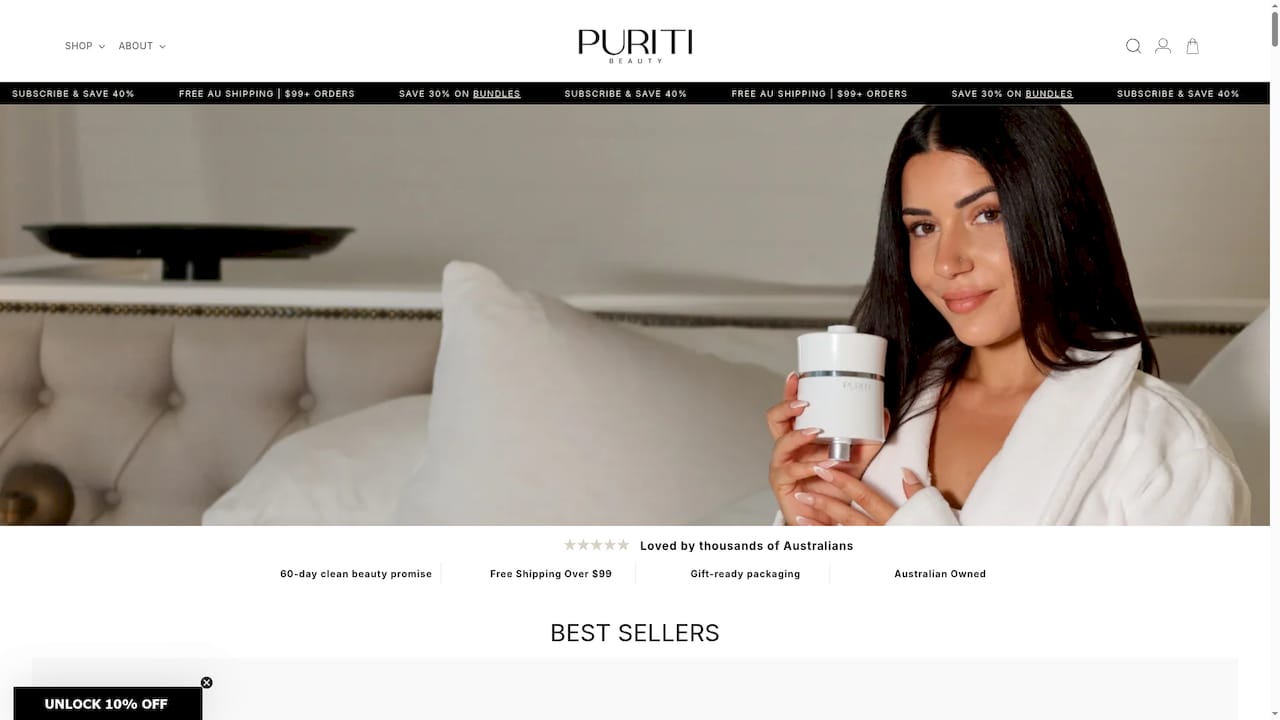
It is designed specifically for Australian water conditions, which means it addresses both chlorine and chloramine at shower temperatures and flow rates. Replacement is straightforward with genuine replacement cartridges that maintain performance between cycles. If you want to explore the full range of options first, the full shower filter range covers every configuration for Australian bathrooms. No guesswork, no unverifiable claims.
Frequently asked questions
Is filtered water actually better for hair and skin than tap water?
Filtered water can noticeably reduce irritation and improve hair manageability when your tap water contains elevated chlorine, chloramine, or hard minerals, particularly if you have sensitive or colour-treated hair. Reducing disinfectant chemicals like chlorine and chloramine brings the biggest practical benefit for showers and beauty routines.
Do you really need a shower filter for hair and skin care in Australia?
Most tap water in Australia is safe, but a shower filter is genuinely useful for anyone dealing with dryness, irritation, or mineral build-up on hair. The Australian Drinking Water Guidelines confirm that filtration can improve aesthetic comfort drivers and reduce specific irritants depending on local water chemistry.
What type of filter works best for beauty outcomes?
Look for a filter using KDF-55 or catalytic carbon if your area uses chloramine, and activated carbon if standard chlorine is the primary disinfectant. NSF/ANSI certifications are the standard used to verify chlorine-related reduction claims for shower filters.
How quickly will you see hair or skin improvements after switching?
Some people notice softer hair and reduced skin irritation after just a few washes, particularly when chlorine was the primary issue. Users notice immediate changes after adding a shower filter, though cumulative improvements in moisture retention and colour vibrancy take longer to become fully apparent.
Is filtered water a cure-all for beauty issues?
No. Filtered shower water removes specific irritants that may be undermining your routine, but it cannot replace appropriate skin care products, a suitable hair care regimen, or professional treatments. Think of it as removing a barrier, not solving every problem.


