


QUICK LINKS

Avoid these shower filter mistakes for healthier hair and skin
TL;DR:
- Shower filters mainly reduce chlorine and heavy metals, not dissolved minerals causing hard water.
- Certification and water testing ensure filters are effective and suitable for your local water quality.
- Regular cartridge replacement and matching filter type to your shower setup are key for optimal results.
You invested in a shower filter expecting softer hair, calmer skin, and a noticeable difference in how your bathroom routine feels. Weeks passed and the results were underwhelming. The filter is still sitting on your showerhead, but you’re not sure it’s actually doing anything. This experience is more common than you’d think, and it usually comes down to a handful of avoidable mistakes made at the point of choosing, installing, or maintaining the filter. This article walks through the four most critical errors, with clear, evidence-based fixes to help you get the beauty and wellness results you were promised.
Table of Contents
- Mistake 1: Expecting filters to fix hard water problems completely
- Mistake 2: Ignoring local water quality and filter certification
- Mistake 3: Neglecting filter maintenance and timely cartridge replacement
- Mistake 4: Overlooking the type of filter for your shower style and set-up
- Our take: What most guides miss about shower filter choices
- Premium shower filters and accessories for lasting results
- Frequently asked questions
Key Takeaways
| Point | Details |
|---|---|
| Filters target chemicals | Shower filters mostly remove chlorine and metals from water, not hard minerals. |
| Certification matters | NSF-certified multi-stage filters offer the most effective results in Australian showers. |
| Maintenance prevents risks | Regular cartridge replacement is vital for avoiding bacteria and ensuring beauty outcomes. |
| Match filter to lifestyle | Choose a filter type and install method suited to your shower habits and plumbing. |
Mistake 1: Expecting filters to fix hard water problems completely
This is one of the most persistent misconceptions in the shower filter space. The marketing around many filters implies they will transform your water entirely, leaving your skin hydrated and your hair silky. The reality is more specific than that.
Shower filters are primarily designed to reduce chlorine, chloramines, and certain heavy metals such as lead and iron from your water supply. What they are not designed to do is remove the dissolved minerals, namely calcium and magnesium, that cause hard water. Those minerals require a water softener, which works through an entirely different process called ion exchange. Understanding water filtration science helps clarify what each technology does and does not address.
This distinction matters enormously for Australian women who live in hard water regions. Cities like Perth, Adelaide, and parts of Melbourne have notably hard water. If your primary frustration is limescale on your fittings, dull hair that feels coated, or skin that never quite feels rinsed clean, a shower filter alone will not fully resolve those symptoms. Dedicated water softeners are needed for calcium and magnesium, not shower filters.
That said, chlorine and chloramines are the more significant culprits behind many common beauty complaints. Chlorine strips natural oils from hair and skin, aggravates conditions like eczema and sensitive skin, and causes colour-treated hair to fade faster. A quality shower filter targeting these chemicals will make a real, measurable difference, just not across every water quality issue simultaneously.
What this looks like in practice:
- Your hair may feel less brittle and retain colour longer after filtering chlorine
- Skin sensitivity and dryness often reduce noticeably within a few weeks
- Limescale on your shower screen will not disappear because calcium and magnesium remain in the water
- Hair that feels coated or heavy from mineral deposits may need both a filter and a clarifying treatment
Pro Tip: If you’re unsure what’s in your water, contact your local council or water utility. Many Australian providers publish detailed annual water quality reports that include chlorine levels, hardness ratings, and contaminant data. This single step can save you from buying the wrong solution entirely.
The takeaway here is straightforward. A shower filter is a targeted beauty and wellness tool focused on chemical reduction. When you understand what it does well, you can use it as part of a wider routine rather than expecting it to do everything on its own.
Mistake 2: Ignoring local water quality and filter certification
Once you know what shower filters can and cannot do, the next mistake is buying any filter without checking whether it’s actually certified to perform as claimed, or whether it suits your specific Australian water supply.
Filter certifications exist for a reason. NSF International certification, for example, validates that a filter has been independently tested and confirmed to reduce specific contaminants by the amounts stated on the label. Without NSF certification or an equivalent independent testing standard, a filter’s performance claims are essentially unverified marketing. In Australia, where water quality varies significantly between cities and even between suburbs, this verification matters more than it might in markets where water chemistry is more uniform.
How to evaluate a filter before purchasing:
- Check whether the filter carries NSF certification or has independently published lab results
- Identify the specific filtration media used, such as KDF-55, activated carbon, or calcium sulfite
- Consider whether the filter is rated for the water temperature you shower at
- Look at whether the filter is designed for Australian thread standards and pressure ranges
- Review the stated cartridge lifespan in litres, not just months, to account for your personal usage
Multi-stage filtration using KDF-55, activated carbon, and calcium sulfite is considered the gold standard for hot showers. This is particularly relevant in Australia, where many people shower at higher temperatures, especially during winter. KDF-55 works through a redox (reduction-oxidation) reaction to neutralise chlorine and reduce heavy metals. Activated carbon adsorbs chloramines and volatile organic compounds. Calcium sulfite is especially effective at chlorine reduction even in hot water, where some carbon-based filters begin to lose performance.
Single-stage filters often use only one of these media. They may perform adequately in cooler showers or lower-chlorine supply areas, but for typical Australian conditions, especially in cities where water is heavily treated, a multi-stage design gives you more consistent results.
Pro Tip: Before buying, check whether the brand publishes its lab test results publicly. Brands that stand behind their performance data make this information accessible, not hidden behind a request form or buried in fine print.
The PURITI premium shower filter is independently lab-tested, with results published openly, and uses a 5-stage filtration system engineered specifically for Australian water conditions. This is the standard you should expect from any filter you consider.
Mistake 3: Neglecting filter maintenance and timely cartridge replacement
Buying the right filter is only half the work. Many Australians install a quality product, notice good early results, then gradually find performance drops off. They assume the filter is defective or simply ineffective. In most cases, the cartridge is overdue for replacement or the filter housing has not been maintained properly.
Shower filter cartridges have a finite lifespan. The filtration media inside becomes saturated over time, meaning it can no longer bind to or neutralise contaminants effectively. Once a cartridge is exhausted, you are essentially showering through a housing that provides no chemical reduction at all. Worse, in hard water areas, spent media can actually trap sediment and organic matter, creating conditions that promote bacterial growth.
“In hard water areas like Perth and Adelaide, shower filters clog faster and carry a bacteria risk when water sits stagnant in the housing. Australian water treatment practices emphasise chlorine reduction, making timely replacement especially important.”
This is a particularly serious concern for households where the shower is used infrequently, such as a guest bathroom. Stagnant water inside a filter housing creates an environment where bacteria can multiply. Even in frequently used showers, a cartridge that has exceeded its rated volume will no longer protect you or your hair and skin.
Signs your cartridge needs replacement:
- Water pressure from the showerhead has noticeably reduced
- You can detect a chlorine smell returning to your shower water
- Hair or skin symptoms that had improved begin to return
- The cartridge has reached its rated lifespan in litres or months, whichever comes first
- Visible discolouration or sediment in the filter housing
The PURITI refill cartridge is designed for straightforward replacement with no tools required. Building replacement into your regular routine, the same way you’d schedule a scalp brush for wellness into your weekly haircare, makes it easy to stay consistent.
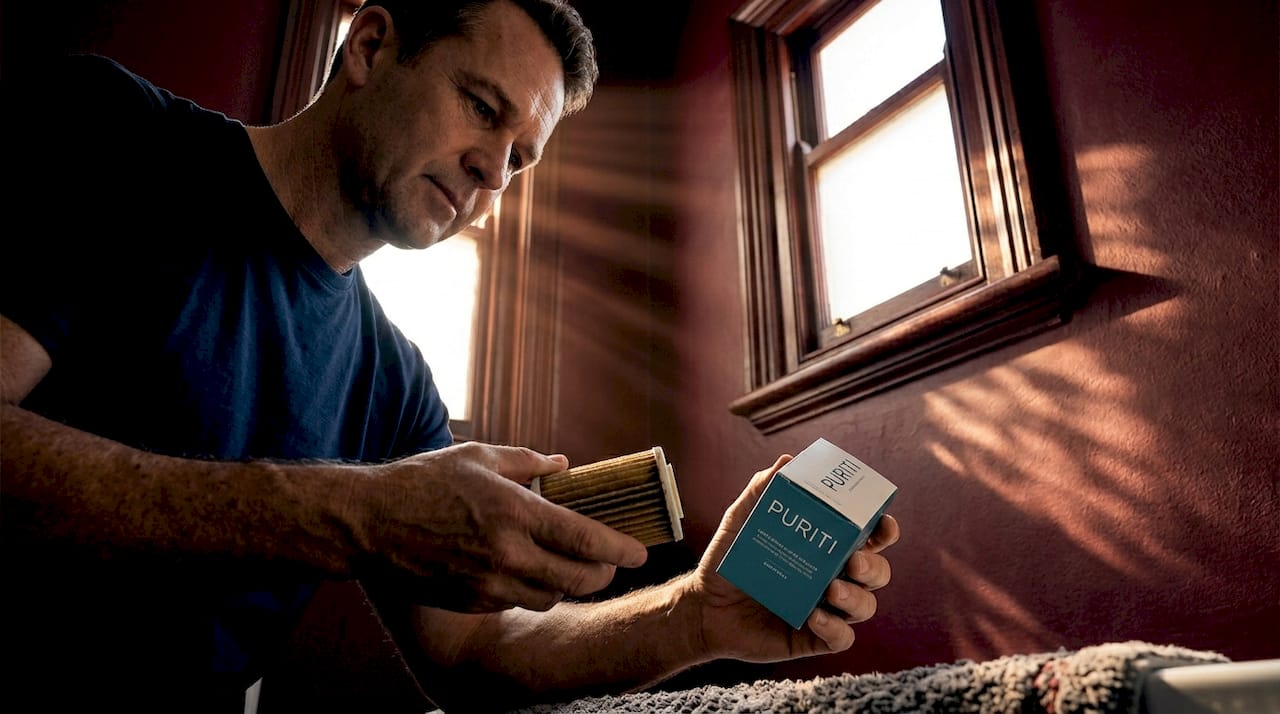
Pro Tip: Set a recurring reminder in your phone calendar for cartridge replacement rather than waiting until you notice performance dropping. In hard water areas like Perth or Adelaide, err on the side of replacing every three months rather than stretching to six.
Maintenance is not glamorous, but it is the difference between a filter that consistently delivers beauty results and one that becomes a passive fixture in your shower. The cartridge is the engine of the filter. Treat it accordingly.
Mistake 4: Overlooking the type of filter for your shower style and set-up
Even with the right expectations, a certified product, and a solid maintenance routine, you can still undermine your results by choosing a filter type that doesn’t match how you actually shower. Filter type selection is rarely discussed in enough detail, and it leads to real performance gaps.
Australian bathrooms vary widely. Some have fixed overhead rain showers. Others use handheld heads on a slide rail. Some properties have older plumbing with non-standard thread sizes. Ignoring these factors often means the filter either doesn’t fit without modification, reduces water pressure to an uncomfortable level, or doesn’t maintain performance at the water temperature and flow rate you use daily.
| Filter type | Best for | Limitations |
|---|---|---|
| Multi-stage (KDF-55 + carbon + calcium sulfite) | Hot showers, daily use, high chlorine areas | Slightly higher upfront cost |
| Single-stage carbon | Cooler showers, occasional use, lower chlorine supply | Reduced performance in heat, limited contaminant range |
| Vitamin C filter | Targeted dechlorination, sensitive skin | Does not address metals or chloramines broadly |
| Inline (plumbed) filter | Fixed overhead showers, high-flow set-ups | Requires installation, less portable |
For most Australian women showering daily at typical temperatures, a multi-stage filter using KDF-55 and calcium sulfite remains the most reliable choice. Vitamin C filters, while effective for dechlorination, do not address the full range of contaminants and require daily or weekly replacement in most designs, making them impractical for a consistent beauty routine.
Before purchasing, confirm the following:
- Thread compatibility with your existing showerhead connection (Australian standard is generally 1/2 inch BSP)
- Whether the filter housing material is corrosion-resistant, especially important in humid bathroom environments
- Flow rate rating versus your current showerhead’s flow to avoid pressure issues
- Whether the filter works with both fixed and handheld heads if you use both
For a side-by-side breakdown of how different premium options compare, the shower filter comparison guide on the PURITI website walks through real performance differences in Australian conditions. Pairing your filter with quality post-shower products, like a hair towel for post-shower care, rounds out a routine built around protecting results.
Getting the filter type right from the start is far less costly than going through two or three products before landing on one that genuinely works for your specific shower set-up.
Our take: What most guides miss about shower filter choices
Most buying guides present shower filters as interchangeable commodities differentiated only by price. They compare features on a spreadsheet but rarely address the single most valuable step a buyer can take before purchasing anything: test your water first.
Water chemistry varies meaningfully between Australian cities, between suburbs within the same city, and even seasonally as treatment plants adjust chlorine dosing. A filter that performs brilliantly in a Melbourne household may underperform in a high-chlorine Perth supply without the right media combination. The science behind beauty filtration is clear on this point. Filter media selection must match what’s actually in your water, not just what’s average across a national market.
The second thing most guides underemphasise is maintenance discipline. The filter you choose matters. But the consistency with which you replace cartridges and clean the housing matters just as much over a 12-month period. We have found, again and again, that women who see the best long-term results from shower filtration are the ones who treat cartridge replacement as a non-negotiable part of their routine, not an afterthought.
The right filter, matched to your water and maintained properly, is genuinely transformative for hair and skin. That is not marketing language. It is what the lab results and daily customer experience consistently show.
Premium shower filters and accessories for lasting results
If these mistakes sound familiar, the good news is that each one has a clear, practical fix, and the right products make it straightforward.
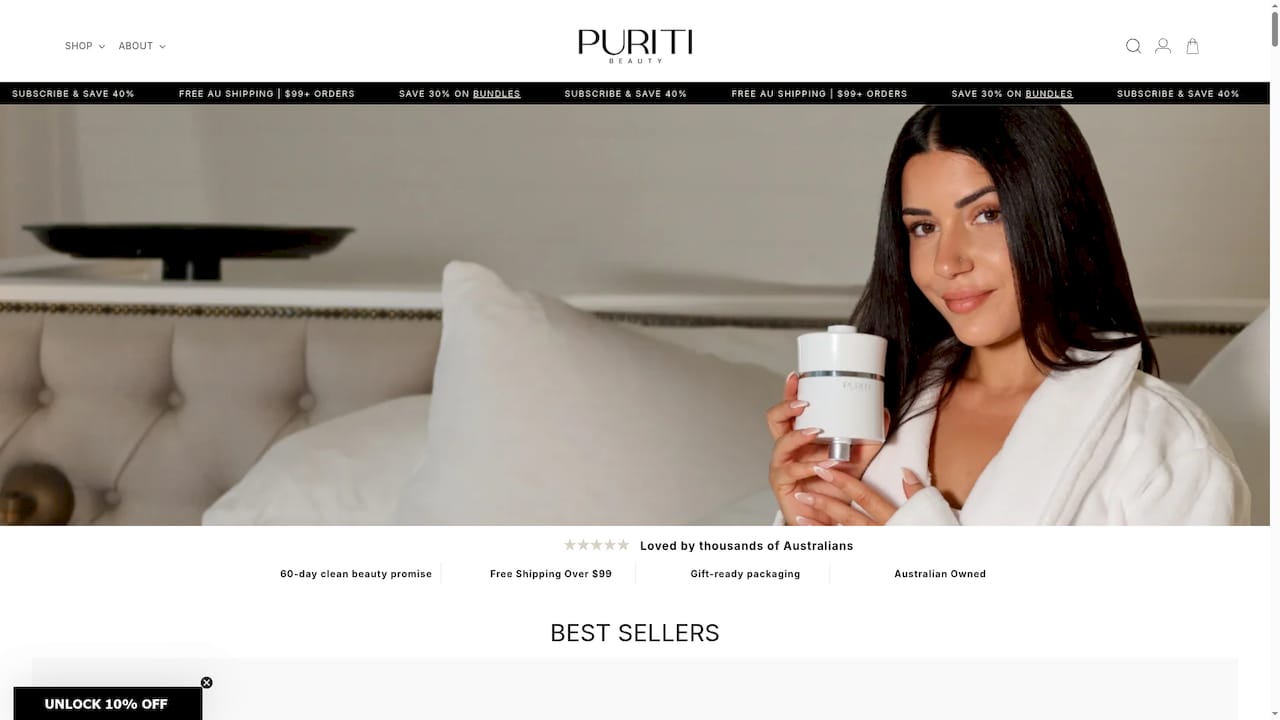
PURITI’s premium shower filter is engineered specifically for Australian water conditions, independently lab-tested to remove 99.55% of chlorine, and built with a 5-stage filtration system that includes KDF-55 and calcium sulfite for consistent performance at high temperatures. Replacement is simple with the PURITI cartridge replacement, designed to snap in without tools in under a minute. For a complete routine built around filtered water, explore the full shower collection, including wellness accessories that complement every stage of your shower ritual.
Frequently asked questions
Can a shower filter completely eliminate hard water effects?
No, most shower filters reduce chlorine and metals, but hard water minerals like calcium and magnesium require dedicated softeners. A shower filter is a targeted chemical reduction tool, not a whole-water softening solution.
How often should the shower filter cartridge be replaced?
Most Australian experts recommend replacing cartridges every three to six months, especially in hard water areas to prevent clogging and bacterial buildup. In cities like Perth and Adelaide, where filters clog faster, erring toward the shorter interval is the safer choice.
Which filter type is best for hot showers in Australia?
Multi-stage filters using KDF-55, carbon, and calcium sulfite perform best for high-temperature Australian showers. Calcium sulfite in particular maintains chlorine reduction performance at higher water temperatures where some carbon-only filters begin to lose effectiveness.
Do I need to test my water before buying a filter?
Yes, testing your home’s water can guide you to the right filter and maximise beauty results. Water chemistry varies significantly across Australia, and knowing your chlorine levels and hardness helps you match the correct filtration media to your specific supply.


