


QUICK LINKS

Filter your shower for sensitive skin: beauty benefits
TL;DR:
- Unfiltered shower water with chlorine and heavy metals can damage sensitive skin’s moisture barrier. Installing NSF-certified multi-stage filters significantly reduces these contaminants, improving skin hydration and reducing irritation. Filtering your shower water is a crucial step to support overall skin health and enhance skincare effectiveness.
If your skin feels tight, red, or irritated after a shower, your first instinct is probably to blame your cleanser or moisturiser. For many Australian women, though, the real culprit is standing right there in the wall. Unfiltered shower water contains chlorine, heavy metals, and sediment that interact directly with your skin every single day. Filtering your shower preserves your skin’s moisture barrier, reduces post-shower tightness and rashes, and lowers your exposure to airborne chemicals. This article explains how water quality affects sensitive skin, what a filter actually removes, and how to choose and maintain the right one for your routine.
Table of Contents
- How water quality affects sensitive skin
- What a shower filter removes and why it matters
- Tangible beauty and wellness benefits for sensitive skin
- Choosing and maintaining an effective shower filter
- Sensitive skin solutions: what most women get wrong about water and beauty
- Find your sensitive skin shower solution
- Frequently asked questions
Key Takeaways
| Point | Details |
|---|---|
| Shower water impacts skin | Chemicals in Australian tap water can aggravate sensitive skin, making filtration crucial for wellness. |
| Certified filters are essential | NSF-certified multi-stage filters remove harmful irritants linked to rashes and dryness. |
| Beauty routines benefit | Filtered showers result in softer, calmer skin and enhance your overall beauty regime effectiveness. |
| Maintenance matters | Changing cartridges regularly keeps results consistent and ensures your skin stays protected. |
How water quality affects sensitive skin
Australian tap water is treated with chlorine to make it safe to drink. That treatment is essential for public health, but it creates a problem for your skin. When you shower, your pores open in the warm water, and your skin absorbs far more than it would through brief hand-washing contact. The exposure is prolonged, repeated, and often underestimated.
Chlorine and other chemicals in Australian tap water disrupt the skin’s moisture barrier, stripping away the protective lipid layer that keeps hydration in and irritants out. For sensitive skin, this barrier is already more vulnerable. Even mild disruption can trigger a cascade of reactions.
Water quality note: Australian tap water is regulated for drinking safety, not for dermatological tolerance. Standards that protect your gut do not necessarily protect your skin barrier.
Heavy metals such as copper, lead, and iron can also be present, particularly in older plumbing systems. These compounds contribute to oxidative stress on skin cells, which accelerates inflammation. Sediment and dissolved solids add further mechanical irritation, especially on skin that is already reactive.
The difference between shower water exposure and drinking water exposure is significant. You inhale steam, absorb water through open pores, and spend anywhere from five to fifteen minutes in contact with treated water. That cumulative daily load adds up across weeks and months.
Unfiltered shower water is commonly linked to the following skin reactions in sensitive individuals:
- Persistent dryness and flaking, even after applying moisturiser
- Post-shower redness or flushing, particularly on the face and chest
- Itching or prickling sensations on the back and shoulders
- Eczema or dermatitis flare-ups that resist topical treatment
- A tight, uncomfortable feeling that sets in within minutes of towelling off
| Water quality factor | Drinking water standard | Skin tolerance level |
|---|---|---|
| Chlorine (mg/L) | Up to 5 mg/L (safe to drink) | As low as 0.5 mg/L for sensitive skin |
| Heavy metals (copper) | Up to 2 mg/L | Reactive at lower concentrations |
| Sediment/dissolved solids | Variable | Can cause mechanical irritation |
Understanding water filtration science helps clarify why the gap between “safe to drink” and “skin-friendly” matters so much for your daily routine.
What a shower filter removes and why it matters
A quality shower filter is not a single-stage device. The most effective options use multiple filtration stages, each targeting a different class of contaminant. Understanding what is being removed helps you connect the technology directly to real results on your skin.
| Substance | Unfiltered shower water | Filtered shower water | Skin impact |
|---|---|---|---|
| Chlorine | Present at treated levels | Reduced by up to 99.55% | Less barrier disruption and dryness |
| Heavy metals | Variable, especially in older pipes | Significantly reduced | Lower oxidative stress and inflammation |
| Sediment | Present | Removed | Less mechanical irritation |
| Chloramines | Present in some water supplies | Reduced | Fewer rashes and sensitivity reactions |
The sequential impact of removing these substances follows a clear logic:
- Chlorine reduction stops the most aggressive barrier-stripping agent from reaching your skin in every shower.
- Heavy metal removal lowers the ongoing oxidative load your skin manages after each wash.
- Sediment filtration eliminates the physical particles that cause microtears and inflammation in reactive skin.
- Chloramine reduction addresses a secondary disinfectant that is increasingly common in Australian municipal water supplies and is linked to skin sensitivity.
NSF-certified multi-stage filters are the most effective option for reducing chlorine and heavy metals that aggravate sensitive skin. NSF certification (National Sanitation Foundation) means the filter has been independently tested and verified to remove specific contaminants at claimed levels. It is not a marketing term. It is a measurable, auditable standard.
Pro Tip: When comparing filters, check whether the manufacturer publishes independent lab results. A brand that makes its test data publicly available is one that stands behind its performance claims.
The PURITI premium shower filter uses a 5-stage filtration system and publishes its lab results publicly, which is the transparency benchmark you should expect from any filter you consider. A detailed filter comparison guide can help you evaluate your options side by side.
Tangible beauty and wellness benefits for sensitive skin
The shift from unfiltered to filtered shower water produces visible and measurable changes for sensitive skin. These are not incremental improvements. For many women, the difference is noticeable within the first two weeks.
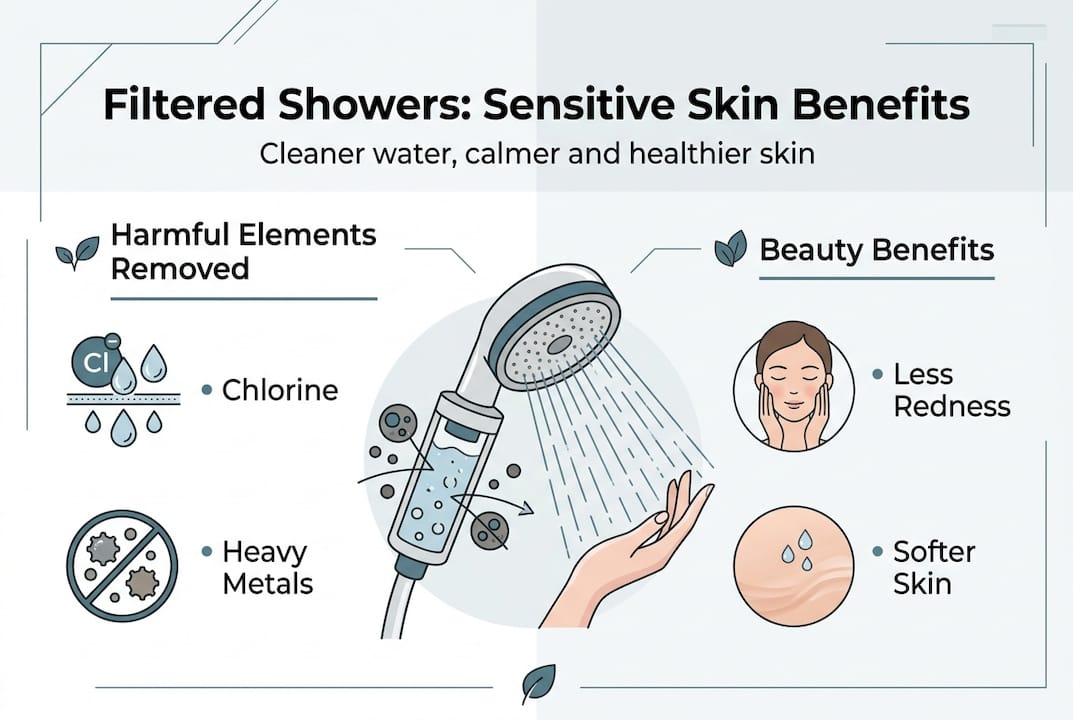
Certified shower filters typically remove up to 99.55% of chlorine from water at the point of contact. That single reduction has a direct bearing on how your skin feels, looks, and responds to the rest of your beauty routine.
Key beauty benefits you can expect after switching to filtered shower water:
- Softer skin texture as the moisture barrier retains more of its natural lipids
- Fewer post-shower rashes and less reactive redness across the face, neck, and body
- Reduced need for heavy moisturisers, because your skin is not starting from a compromised baseline
- More even skin tone over time, as oxidative stress from heavy metals decreases
- Better makeup adhesion, because hydrated, non-inflamed skin accepts product more consistently
Filtering your shower reduces post-shower tightness and rashes, and supports ongoing skin hydration across your entire routine. This matters because every subsequent skincare product you apply performs better on a healthy, intact barrier.
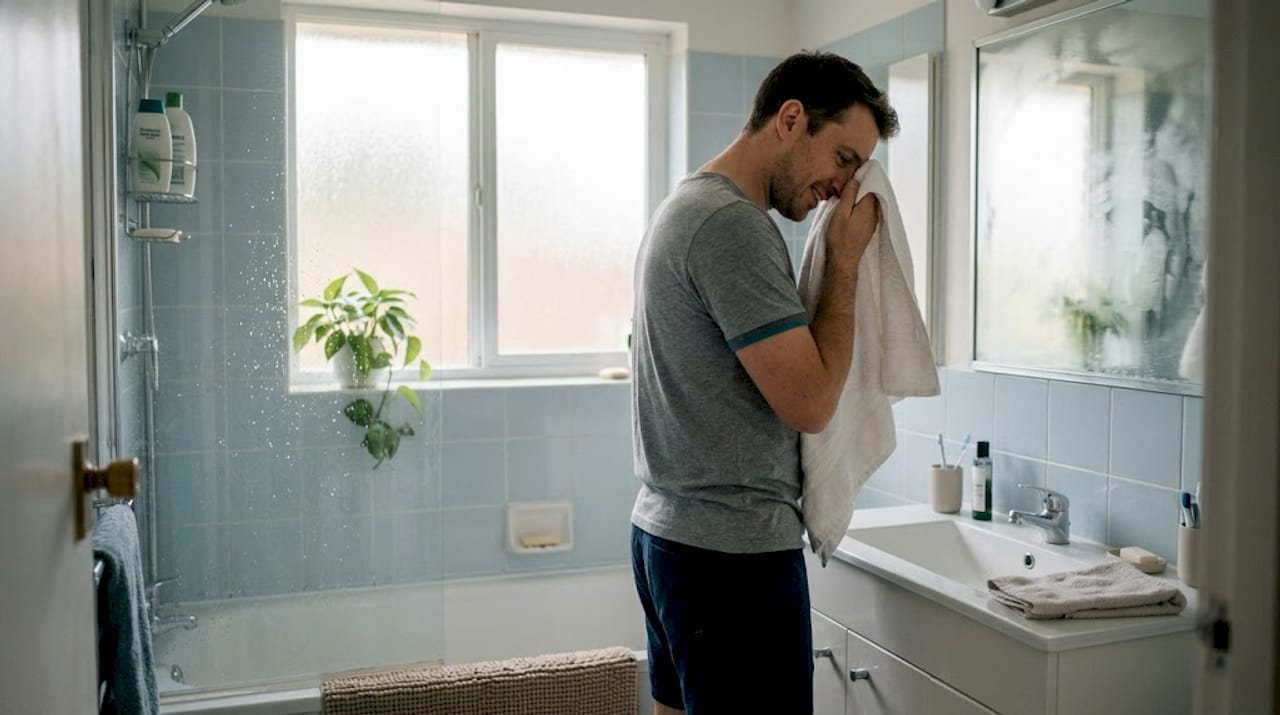
The wellness dimension extends beyond your skin. Warm showers generate steam, and chlorinated steam carries volatile chlorine compounds into your respiratory tract. Reducing chlorine in your shower water also reduces the amount you inhale, which is relevant for anyone with asthma, hay fever, or general chemical sensitivity.
Pro Tip: Keep a simple log for the first four weeks after switching to filtered water. Note skin texture, redness frequency, and moisturiser usage. Most women find the results speak clearly within a month.
Pairing your filtered shower with a microfibre hair towel further supports scalp and hair health, and a hair and scalp brush helps maintain circulation and remove buildup without aggravating sensitivity.
Choosing and maintaining an effective shower filter
Selecting the right shower filter is straightforward when you know what to prioritise. Installation typically takes under ten minutes with no plumbing experience required, and ongoing maintenance is minimal.
Steps for choosing a filter suited to sensitive skin:
- Verify NSF certification. This is the non-negotiable starting point. NSF-certified multi-stage filters protect the skin best and ensure chemical removal results last across the cartridge’s full lifecycle.
- Check the number of filtration stages. More stages target more contaminant types. A 5-stage system covers chlorine, heavy metals, sediment, chloramines, and dissolved solids.
- Look for published lab results. Certifications confirm the product was tested. Published data confirms you can verify exactly what was removed and by how much.
- Confirm cartridge availability. A filter is only as good as its ongoing cartridge supply. Check that replacement cartridges are readily available before committing to a brand.
- Consider materials and design. Filters built from durable materials such as aluminium titanium alloy last longer and maintain structural integrity better than plastic-bodied alternatives.
Signs your cartridge needs changing:
- Post-shower skin tightness returns after a period of improvement
- A faint chlorine smell is detectable during your shower
- Water pressure through the filter noticeably decreases
- You have exceeded the manufacturer’s recommended usage period (typically three to six months)
For consistent results, replace your cartridge on schedule rather than waiting for symptoms to return. You can order a PURITI refill cartridge to keep your filter performing at its rated level without interruption.
Sensitive skin solutions: what most women get wrong about water and beauty
Here is an observation worth sitting with: Australian women spend hundreds of dollars annually on serums, creams, and treatments for sensitive skin, yet continue to shower in water that actively works against every product they apply.
The beauty industry does a thorough job of selling solutions for skin sensitivity. It does a much poorer job of addressing the environmental inputs that cause or perpetuate that sensitivity in the first place. Water is the most consistent, daily skin contact you have. It precedes every product in your routine. Treating it as an afterthought means your skincare is always playing catch-up.
Filtering your shower is a foundational step, not a luxury, for effective sensitive skin routines. The insight here is not that products do not work. It is that they work considerably better when your skin barrier is not being compromised twice a day by chlorine and heavy metals.
Understanding filtration and beauty science reframes shower filtration from an optional upgrade to Step Zero of a coherent routine. Fix the water first. Then let your skincare do what it was designed to do.
Find your sensitive skin shower solution
You now have a clear picture of how unfiltered water affects sensitive skin and what a certified multi-stage filter can do. The next step is straightforward.
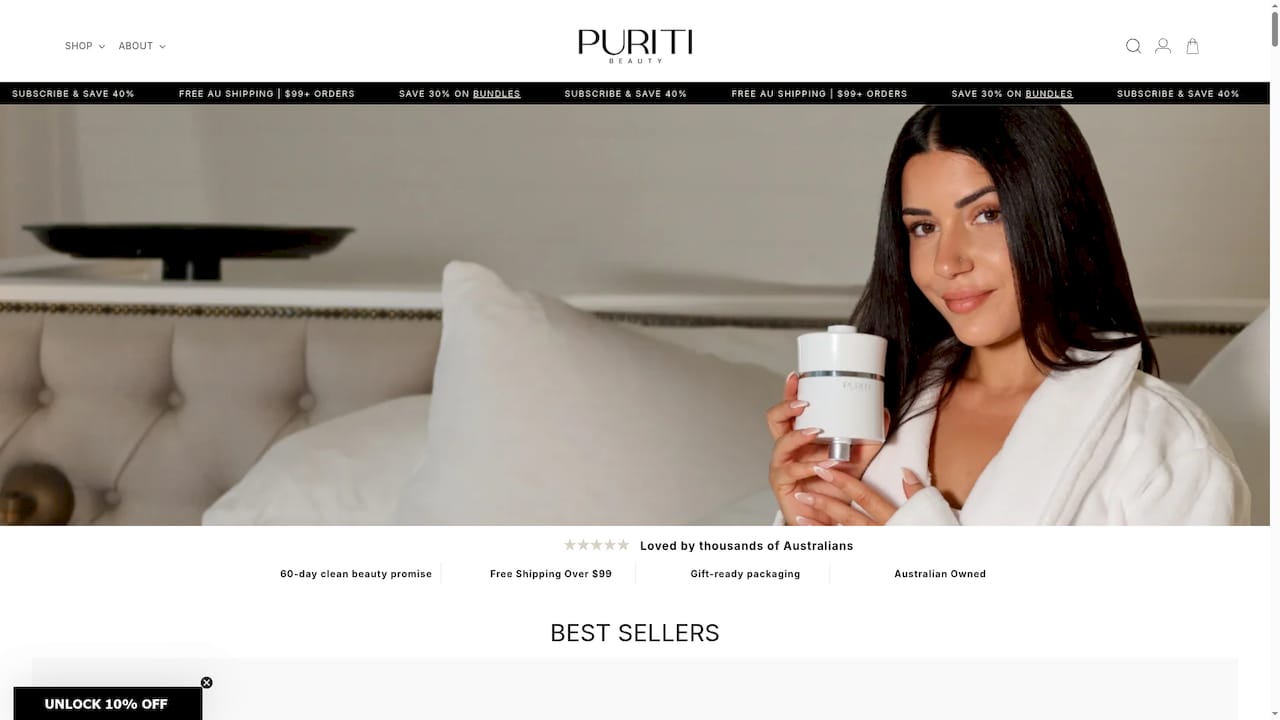
Explore PURITI’s full range of shower filtration solutions to find the right fit for your bathroom and routine. The PURITI premium shower filter is built from aluminium titanium alloy, independently lab-tested to remove 99.55% of chlorine, and designed to sit beautifully in a premium bathroom. Bundle options and ongoing cartridge supplies make it easy to maintain consistent results without interruption. If you are serious about your skin, start with the water.
Frequently asked questions
Is filtering your shower water really necessary for sensitive skin?
Yes. Australian tap water contains chlorine and other irritants that can trigger sensitivity; filtering is a proven way to reduce these effects and protect your skin barrier daily.
How often do I need to replace a shower filter cartridge?
Most cartridges should be replaced every three to six months for peak effectiveness, depending on your local water quality and how frequently you shower.
What certifications should I look for in a shower filter?
Look for NSF certification, which confirms independent testing for chlorine and heavy metal removal. NSF-certified filters provide better protection for sensitive skin by removing harmful chemicals to verified levels.
Will filtering my shower help with scalp sensitivity and hair health?
Yes. Removing harsh chemicals from shower water benefits scalp health and hair softness, particularly for women with reactive or fine hair that is prone to dryness and breakage.
Recommended
- What is water filtration? The science behind beauty – Puriti
- Shower Filter Cartridge – Puriti
- Luxe Beauty Hair Towel – Puriti
- PURITI Shower Filter | Removes 99.55% Chlorine from Australian Water – Puriti
- 6 Best Practices for Sensitive Skin: Expert Tips and Guidance
- Why botanicals soothe sensitive skin: Evidence-based benefits – ZenChemy Lab


